
Livestock farm:
holidays that ground you
Livestock farm
Exciting holiday with animals
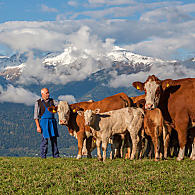
When childhood dreams come true while jumping in the hay, the calves are being fed in the barn and the parents are breathing in the fresh mountain air in a deck chair, then you are spending your holiday on a livestock farm. Be it a cow, a goat, a sheep, a rabbit or a pony: everyone will find their favourite.
When childhood dreams come true while jumping in the hay, the calves are being fed in the barn and the parents are breathing in the fresh mountain air in a deck chair, then you are spending your holiday on a livestock farm. Be it a cow, a goat, a sheep, a rabbit or a pony: everyone will find their favourite.
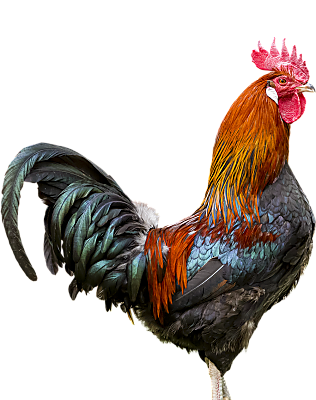
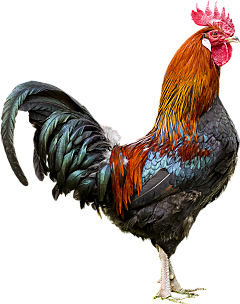
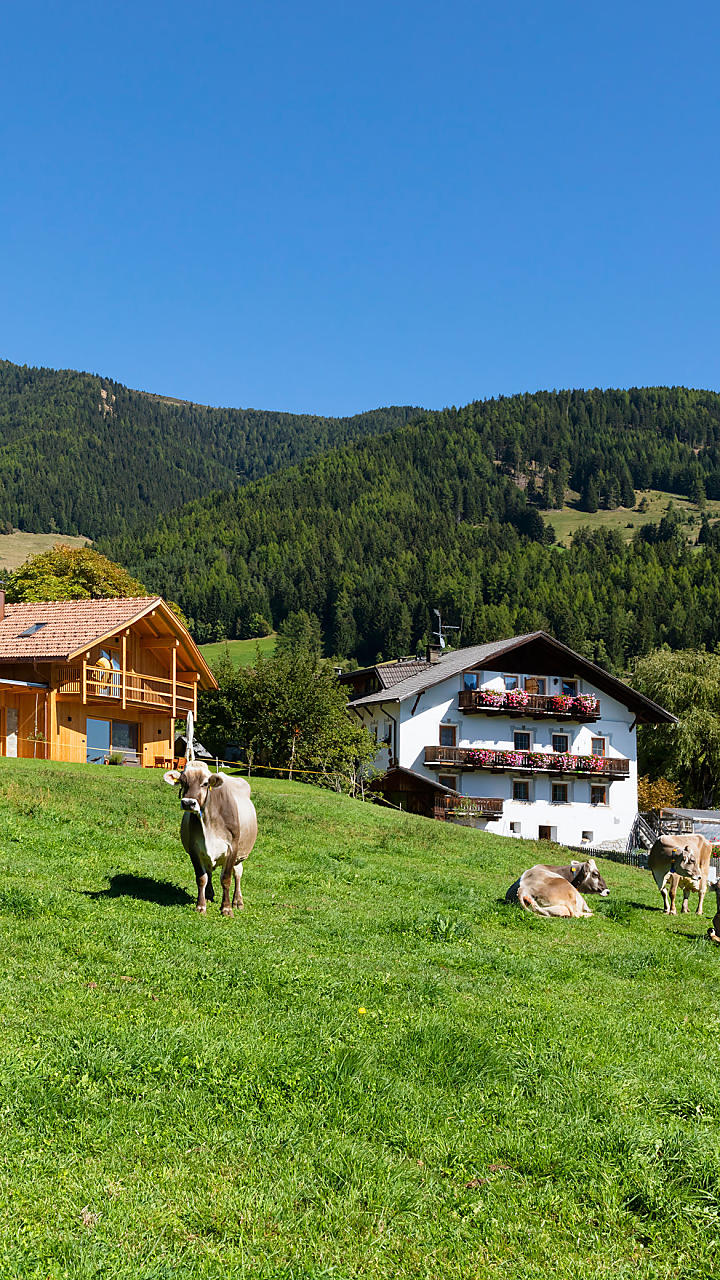
Imagine: the clear fresh air! In the morning the cock crow wakes you up, the children are playing with the cat and the cows are grazing in the pasture. You sit back and enjoy the peace and quiet. A holiday on a farm with animals is the best recipe for a successful family break.
Put on your rubber boots and head over to the barn
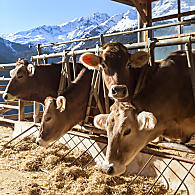
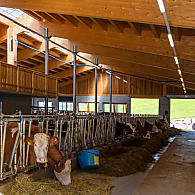
Observe the animals in their everyday life, but also lend a hand and take responsibility: that's what children on a livestock farm want. With the right equipment, i.e. waterproof trousers and stable boots, it's time to go into the barn to feed the calves. You might come across the cat in the hay, who is only too happy to be stroked. If you're lucky, you might even be there when a calf is born - an unforgettable moment.
The freedom to let go
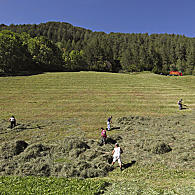
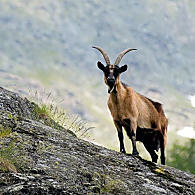
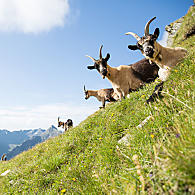
A holiday on a farm with animals can mean so much: family time, leisure time, moments of happiness. Around the house there is plenty of space for children to run around and play in the fresh air all year round. In spring, children get excited about newly hatched chicks, young bunnies or little kid goats. And children's eyes light up every morning when their own personal holiday hen lays an egg. In summer the hay is brought in. There are hikes together on the farm's own pasture to visit the calves, goats or sheep that spend the summer on the pasture. The moonlit nights by the barbecue are also unforgettable when the farmer talks about daily life on the farm.
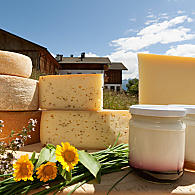
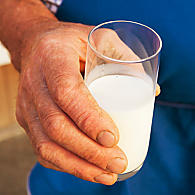
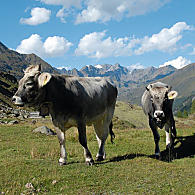
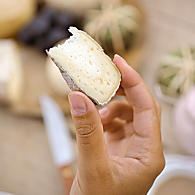
In autumn you can hear the cowbells tinkling on the pasture in front of the farm. The farmers invite you to an afternoon snack with many farm products such as hearty Speck, cream cheese or home-baked bread.
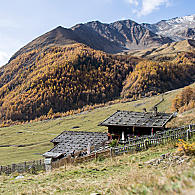
In winter, the farms of South Tyrol treat themselves to a break. The farmers have plenty of time for handicrafts and conversations in the cosy living room. And the calves in the barn munch on mountain hay and dream of next summer. You can experience romantic winter wonderlands in quiet side valleys or stay in the ski areas directly on the slopes, cross-country ski runs and sledging slopes without the hustle and bustle.
A holiday on a farm with livestock is an idyll, for lovers of the authentic, for little animal lovers or nature-loving mountain sports enthusiasts.
Numbers and facts
Livestock farms in South Tyrol
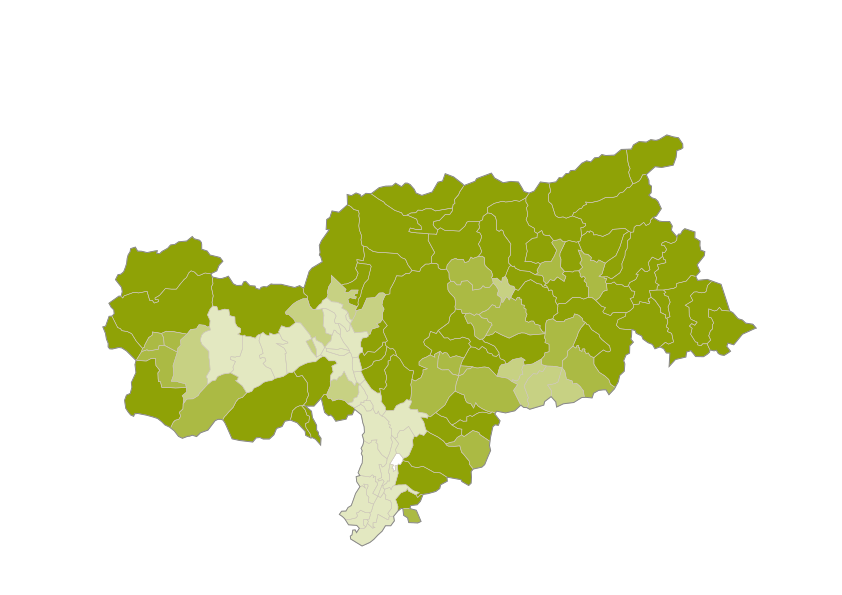
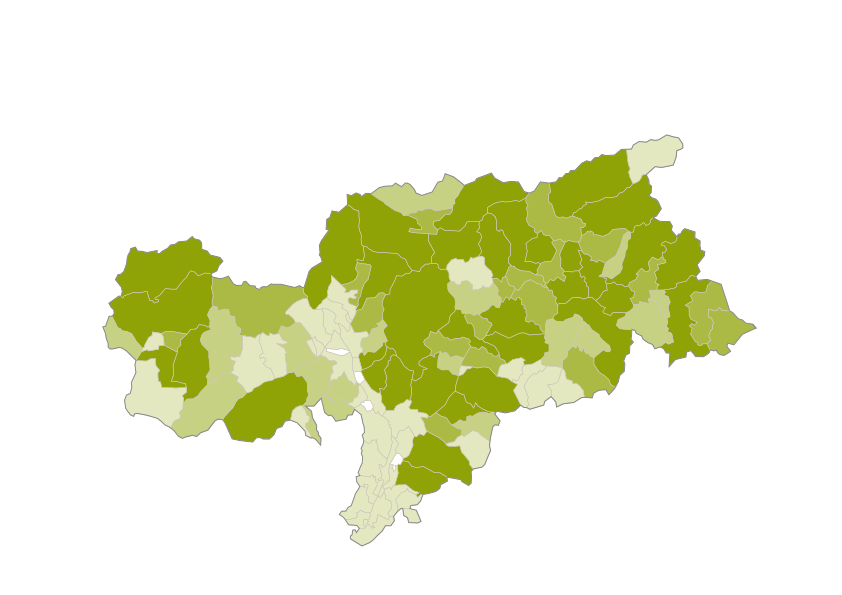
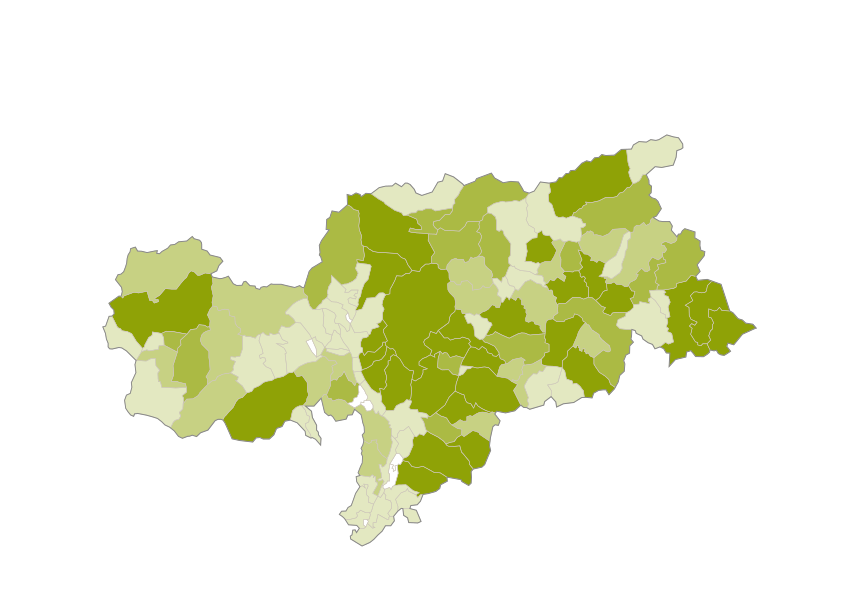
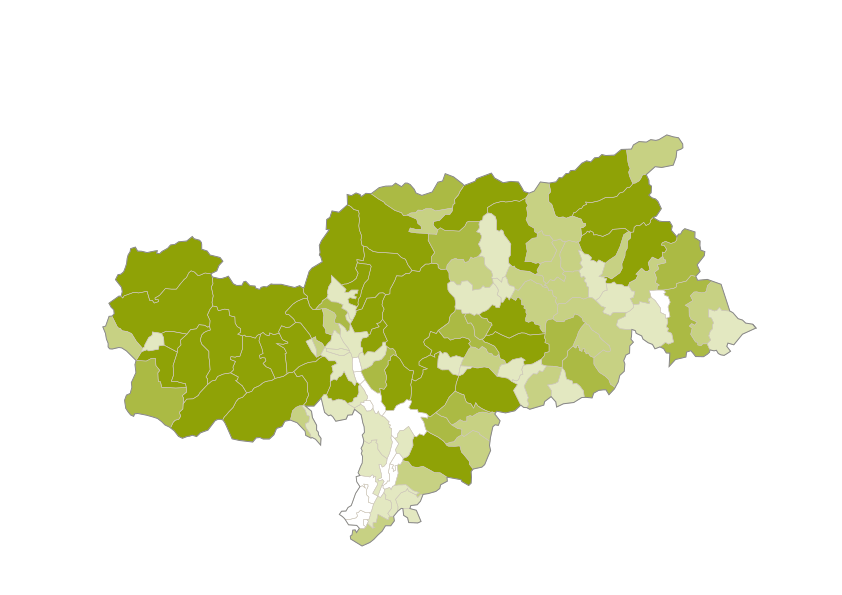
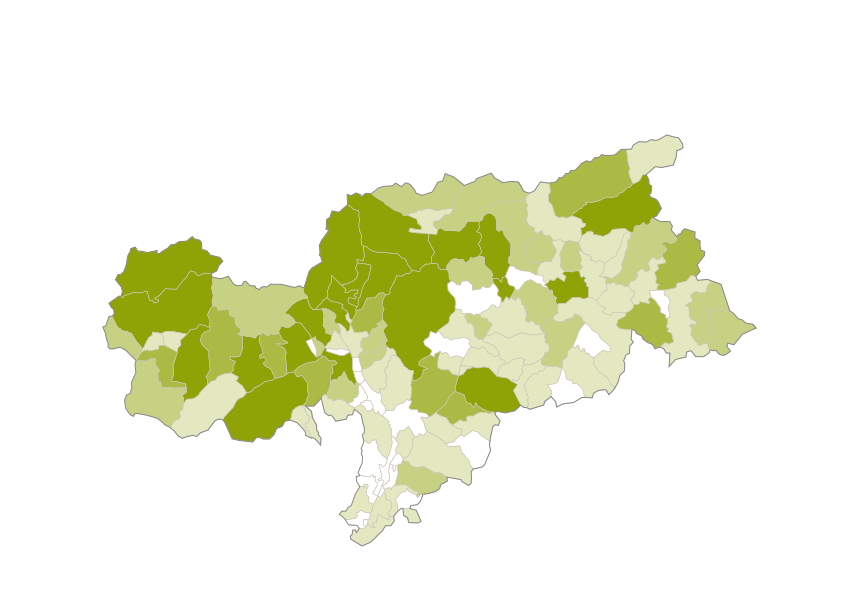
Here you will find all the information about livestock farming in South Tyrol. The 'Roter Hahn' brand runs over 1,100 holiday farms with livestock.


Farm search
Livestock farm